Reversal of the Status Quo
James: 1:9-11
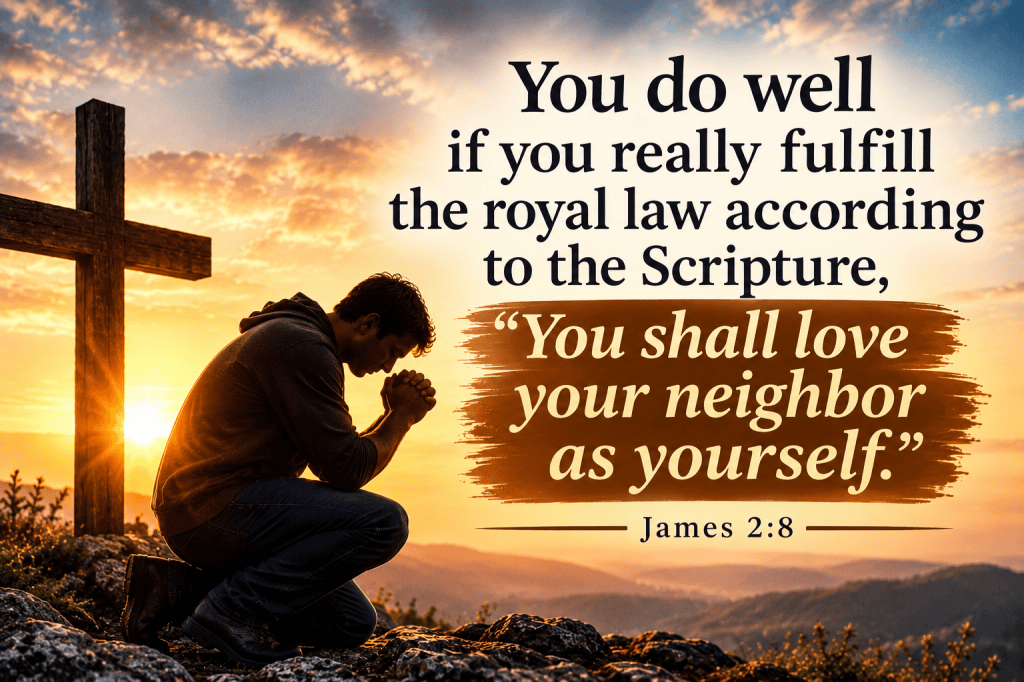
James 2:1-6; 4:13-5:6
++++++++++++++++++++++++++++++++++++++++++++++
Success. What does that word mean to you? Money? Power? Influence?
James has some harsh words for those who are rich and oppress the poor. In the world inhabited by the early church it was the successful, wealthy who oppressed and abused the poor.
God has a heart for the poor. God completely upends what we call success. Reflect on these words from 1 Samuel 2:7-8a: “The LORD makes poor and makes rich; he brings low, he also exalts. He raises up the poor from the dust; he lifts the needy from the ash heap, to make them sit with princes and inherit a seat of honor.”
Mary’s song (The Magnificat) touches on similar themes. “He has shown strength with his arm; he has scattered the proud in the thoughts of their hearts. He has brought down the powerful from their thrones, and lifted up the lowly; he has filled the hungry with good things, and sent the rich away empty.” (Luke 1:51-53)
What we look at as success is not necessarily what God views as success. There is precious little in our definition of success that meets God’s criteria of servanthood. Jesus said of himself, “the Son of Man came to seek out and to save the lost” (Luke 19:10). In the life of Jesus, we do not find the trappings that we associate with wealth and power. Jesus abdicated his exalted position to take the form of a servant (see Philippians 2:1-11). Those of us who claim to be his disciples are called to do no less.
No one says wealth is intrinsically evil. It is not inherently wrong to make careful plans for the future. However, when the desire for wealth and the need to manipulate others for our own selfish ends is the motivation we have failed to live into the model of Christ.
James reserves some of his harshest criticism for those who put their selfish interests above the needs of others. James calls out the church for coddling the rich while putting down the poor. He is not wrong. Churches sometimes make decisions about leadership, mission, and ministry based the influence of a “big giver.”
If one is a disciple of Jesus, one Is willing to live against the status quo. Discipleship is meant to cost something. The famous quote of Dietrich Bonhoeffer from his 1937 book, The Cost of Discipleship is as imperative today as it was when it was first written. “When Christ calls a man (woman), he bids him (her) come and die.”
Contemporary Christianity has watered down that requirement to meet current societal expectations. Self-sacrifice, servanthood, taking up the cross are considered old fashioned and out of step with 21st-century church life. Attend church occasionally. Drop a couple of bucks in the collection and it’s all good. That attitude just does not resonate with life and teachings of Jesus.
Reversal of the status quo means giving up self, to be a disciple of Jesus. I am not advocating that you sell your home, divest yourself of life savings, and live in sackcloth and ashes. However, a bit of self-reflection may be in order. What are my priorities? Who or what am I devoted to?
 Jim’s Coffee Conversation