Pastoral Reflections from the Epistle of James
Introduction and Schedule
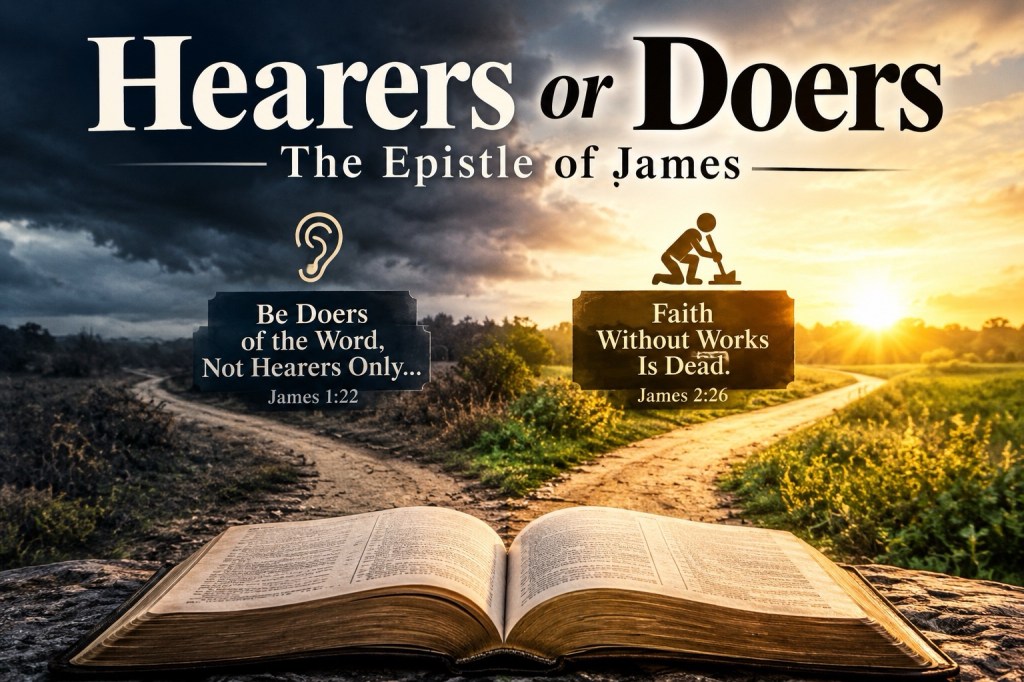
There are two prominent persons in the New Testament, named James. James, the son of Zebedee (Mark 5:37; 9:2; 10:35), and James, the brother of Jesus (Mark 6:3; 1 Corinthians 15:7). James the brother of Jesus was a leader in Jerusalem from c. 36 CE (Gal 1:19) until his martyrdom in 62 CE. He played a prominent role in the debate over the conditions under which non-Jews were to be considered members of the church (Acts 15:13-29; Gal 2:1-14). James the son of Zebedee was martyred c. 44 CE by Herod Agrippa I (Acts 12:2). Therefore, the brother of the Lord is widely accepted to be the James referred to in James 1:1.
It is interesting to note that the letter does not refer to the life of Jesus, his crucifixion, or his resurrection. The name “Jesus” appears only twice (1:1; 2:1). The letter is composed in an elegant Greek style using the Greek version of the Old Testament.
James is not addressed to a specific church; instead, it appears to be a general letter written to numerous churches. It adopts a style of instructional speech characteristic of Greco-Roman ethical teaching, the diatribe. The most striking features of this style involve questions from a fictive (imaginary) opponent, words attributed to specific characters as well as rapid-fire questions and answers. These questions need not represent actual problems within the community. Another feature of the diatribe style involves dense use of metaphor. Many comparisons are derived from nature; while others involve human activities. Figures from the past often serve as examples.
James inclusion in the formal canon of scripture was relatively late. However, there are indications that James was referenced by some writers before the middle of the second century CE. Through the enthusiastic endorsement of Origen, (c.185 – c.253), James became part of the church’s collection.
Martin Luther’s distaste for James is well documented but was not widely shared by other reformers. Luther considered James 2:24 (“(NRSV) You see that a person is justified by works and not by faith alone”) contradicted Paul’s teaching on righteousness in Galatians 2:16 (“(NRSV) a person is justified not by the works of the law but through faith in Jesus Christ”). An opposite view to Luther’s is the prevailing opinion of most readers. James and Paul do not contradict each other, because they are not addressing the same point. When read on its own terms, James is a powerful witness to both the diversity in early Christianity and the moral imperative of Christian identity in every age.
These reflections will be a six-week examination of some of the major themes in James. The schedule indicates when the study will be posted and scriptures that will be referenced. Messages presented in the Minonk Baptist Church will follow the same schedule.
As you read the suggested texts, I want to remind you of the practice of Lectio Divina.
Lectio Divina is a traditional Christian practice of slow, reflective reading of Scripture to enhance communion with God. There are four stages to Lectio Divina. Reading. Reflecting. Prayer. Contemplation. Divine Reading is contemplative, not analytical. It is meant become a living dialogue with the Holy Spirit. Its purpose is spiritual transformation, not biblical interpretation.
Here are some questions/suggestions to ask yourself as you read the biblical texts.
1. What word or phrase stands out to me?
2. How does this word or phrase affect my life as a disciple?
3. How should I respond to God based on my reflection of this passage of scripture?
4. Rest in the presence of God. Take the time you need to allow the Holy Spirit to work in your reflections and begin a process of transformation.
5. What is God asking me to do or change as a result of reading and contemplating this passage of scripture?
Remember the purpose of Divine Reading is to lead one to spiritual transformation. Don’t allow yourself to get bogged down in minutiae, rather listen to the gentle voice of the Holy Spirit directing your thoughts to the meaning of the text for you at this moment in your life.
++++++++++++++++++++++++++++++++++++++++++++
August 30:
Introduction and Schedule
September 6:
The Prayer of Faith
James 1:5-8
James 5:13-18
September 13:
Reversal of the Status Quo
James: 1:9-10
James 2:1-6; 4:13-5:6
September 20:
NO POST
September 27:
Enduring Testing
James 1:2-4, 12
James 5:7-11
October 4:
Father of Lights
James 1:12-18
James 3:13-4:10
October 11:
Words Matter
James 1:19-20
James 3:1-12
October 18:
Hearers or Doers
James 1:22-27
James 2:14-26
______________________________________________
Bibliography
Johnson, Luke T. The New Interpreter’s Bible. Vol. 12. Nashville: Abingdon. 1998.
Perkins, Pheme. The New Interpreter’s Study Bible. Nashville: Abingdon. 2003.

